

How Satellite Technology Is Reshaping Cell Phone Carriers and Communication
Satellite messaging is moving from emergency-only to everyday texting. Which phones support it, how carriers are adapting, and what comes next.
Introduction
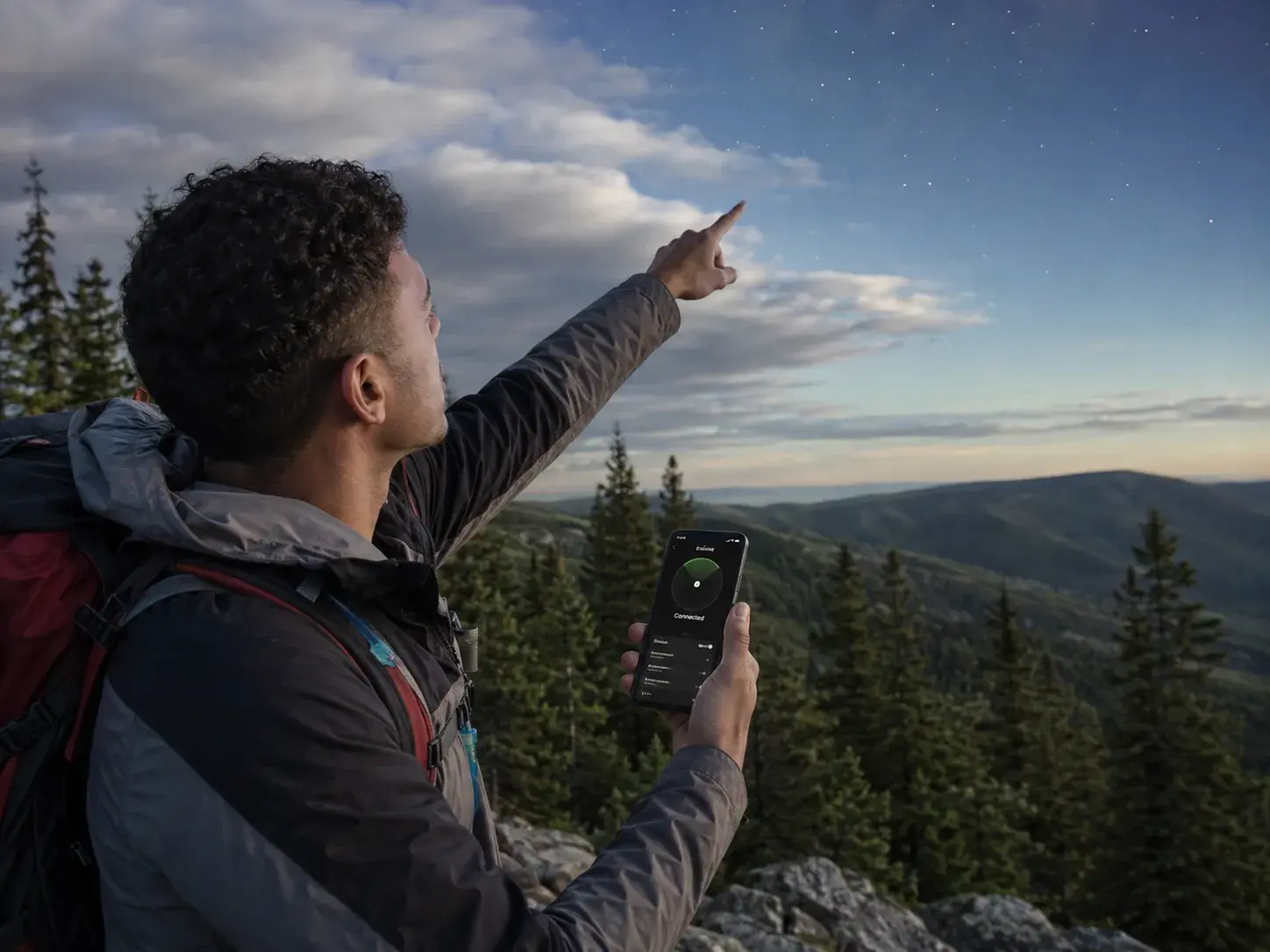
If you've ever hiked into the mountains beyond Ware or driven through the hill towns of western Massachusetts, you've hit a dead zone. No bars. No signal. Complete silence. For decades, that was simply the cost of being off the grid. But technology is about to change that fundamentally.
Satellite messaging has moved from science fiction to your pocket. In 2026, it's no longer a gimmick or a survival tool exclusively for adventurers. It's becoming a standard feature on mainstream phones. For tech enthusiasts, this shift signals something bigger: the cell phone carrier business is facing a genuine challenge from above.
This post explains how satellite technology works, which phones already support it, and why this matters for the future of cellular networks.
---
How Satellite Messaging Actually Works
When your phone loses cellular signal, it's searching for a tower on the ground. Satellite messaging skips that step entirely.
Your phone connects directly to an orbiting satellite overhead. The satellite receives your message through advanced antenna systems and relays it to ground stations on Earth. From there, the message routes through the operator's network to its destination—whether that's emergency services, a friend, or a family member.
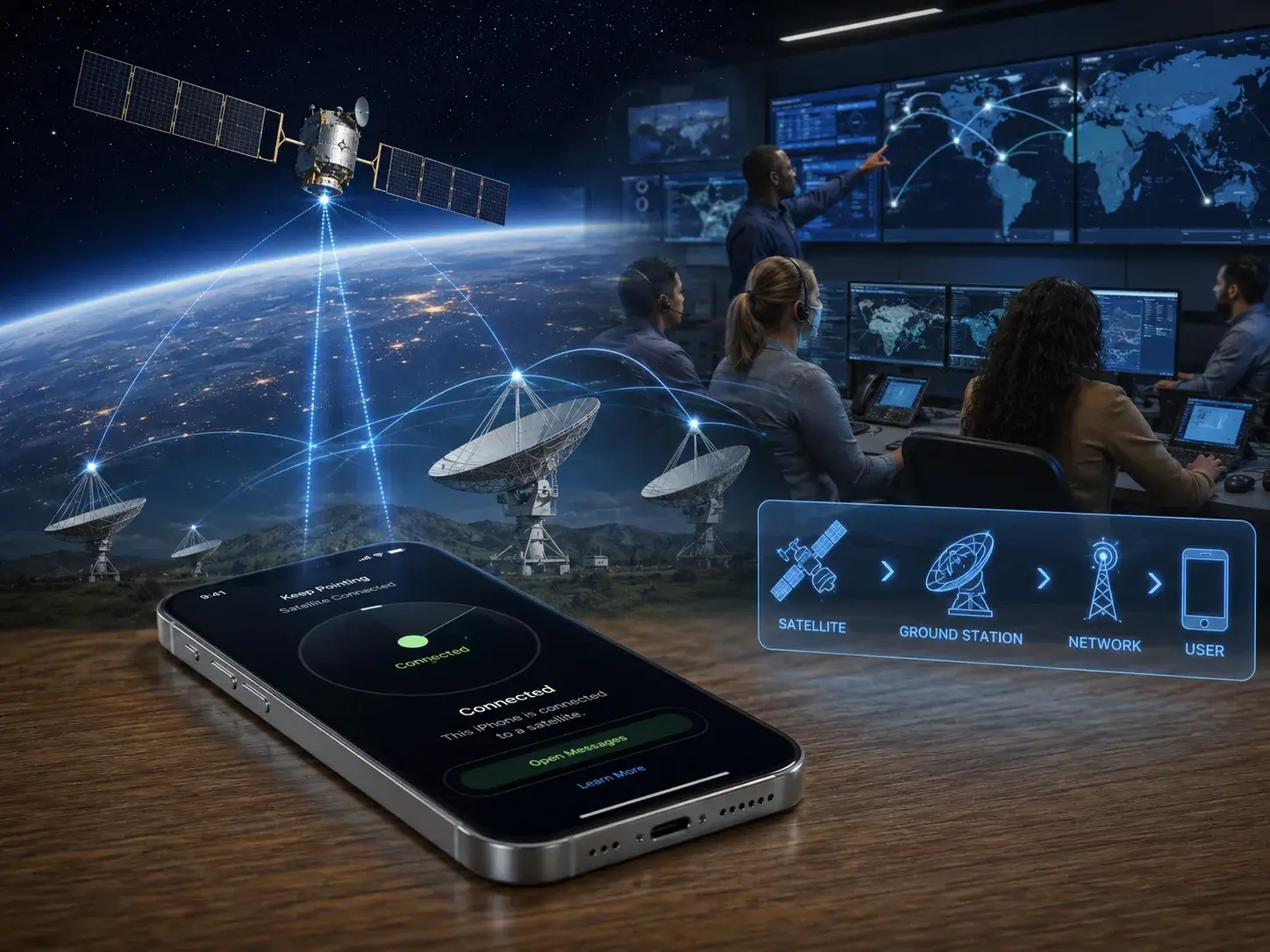
The entire process relies on the 3GPP NTN standard. Think of it as the rulebook that tells your phone and the satellite how to "speak" to each other. Your phone essentially whispers toward space, and the orbital infrastructure does the heavy lifting of listening and relaying.
Satellite networks like Globalstar provide the backbone for this infrastructure, maintaining the orbital satellites and ground stations that make the whole system work.
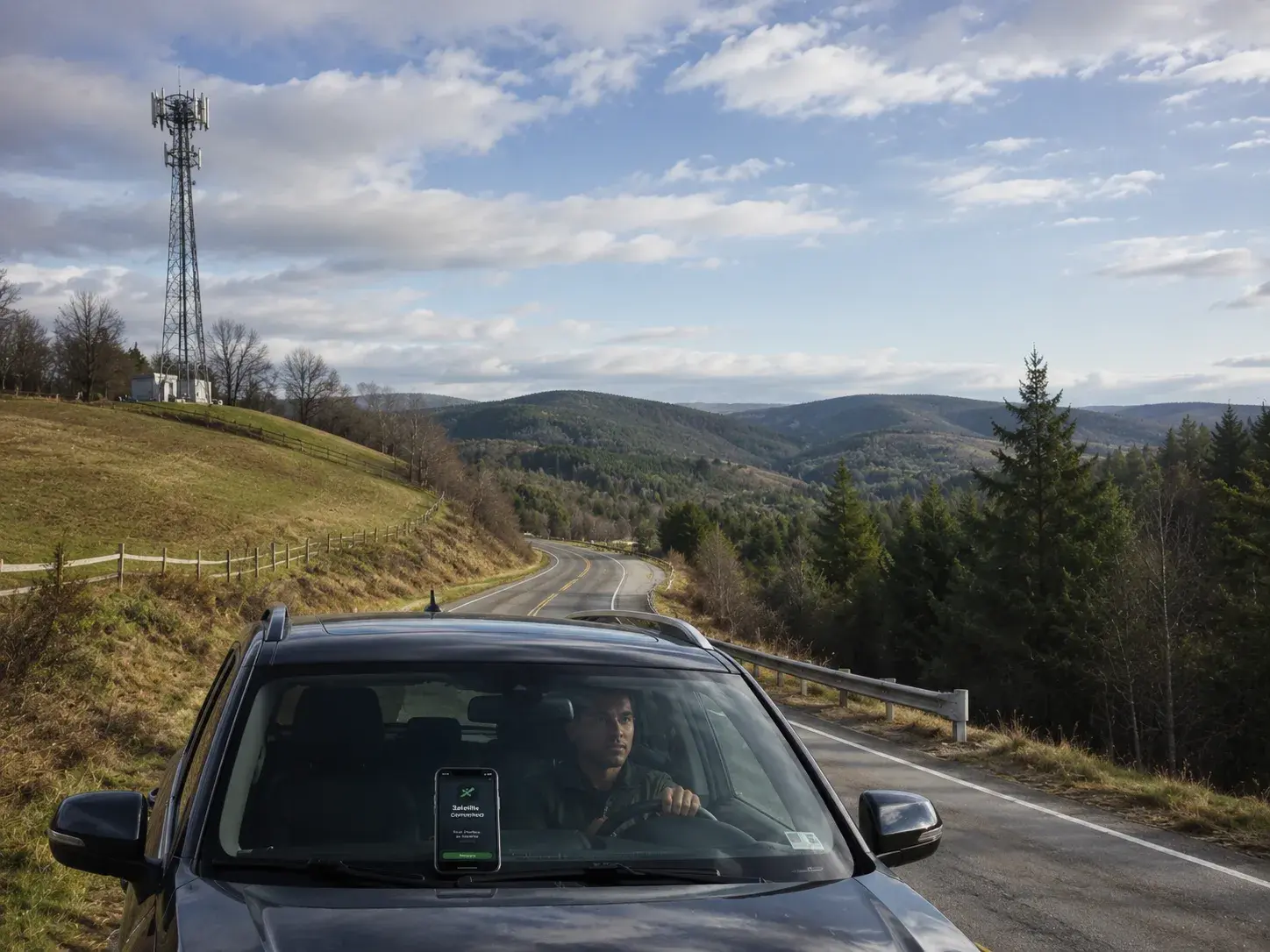
This is why clear line-of-sight to the sky matters. Trees, buildings, and dense cover can block the connection. You won't be sending messages from inside a basement or a heavily forested area. But from a hilltop, a lake, or even a car, it works.
---
Which Phones Support Satellite Messaging Right Now
Satellite messaging has gone from exclusive to mainstream in just a few years.
Apple's Approach
The iPhone 14 and newer models, including the iPhone 16e, the iPhone 17 lineup, and the iPhone Air, support Emergency SOS via satellite through Globalstar. These phones can send short text messages, share location data, and use Find My for tracking when cellular service is unavailable. Messages can take up to a minute to send, but the service works consistently when you need it.
For detailed information on how to set up and use satellite features on your iPhone, Apple's official support page walks through the entire process.
Google and Android
Google Pixel 9 series phones support satellite texting through both T-Mobile and Verizon partnerships. Pixel 9 devices paired with T-Mobile gain access to T-Satellite messaging, which supports two-way texting, location sharing, and photo messaging—powered by SpaceX's Starlink Direct to Cell. Verizon's partnership with Skylo adds satellite capability to Pixel 9 and Galaxy S25 models.
Samsung's Expansion
Samsung's Galaxy S25 and the new Galaxy S26 series both include satellite communication. Samsung has partnered with carriers across North America, Europe, and Japan to expand support. The Galaxy S26 launched with more seamless integration—satellite features work in the background without special modes or complicated setup.
Samsung's announcement of satellite support details the full rollout across regions and carrier partnerships.
Other Players
T-Mobile's T-Satellite works with iPhone 14+, Galaxy S24+, and the Razr Plus 2024. Infinix announced its Note 60 series with automatic switching between cellular and satellite, designed to work in the background without user intervention.
The diversity of phones supporting this feature shows something important: satellite messaging isn't a gimmick anymore. It's becoming competitive. Each manufacturer and carrier wants a piece of this market.
Why Cell Phone Carriers Are Feeling the Pressure
For decades, cell phone carriers controlled mobile communication through one method: ground towers. More towers meant better coverage. Better coverage meant more subscribers. The business model was straightforward.
Satellite technology disrupts that entirely.
A single orbiting satellite can cover thousands of square miles. Satellites still need launches and government licensing, but one satellite reaches ground that would take years of tower construction to cover. For carriers, this is both a threat and an opportunity.
The Threat
Customers in remote areas no longer need perfect cellular coverage to stay connected. Someone in the hill towns can now message, send location data, and contact emergency services from anywhere with a clear sky. That independence weakens the carrier's hold on communication.
If satellite becomes reliable enough for everyday use, carriers lose pricing power in those areas. They can't charge premium rates for the only signal in town.
The Opportunity
Smart carriers are partnering with satellite operators instead of fighting them. T-Mobile partnered with SpaceX's Starlink Direct to Cell. Verizon partnered with Skylo. AT&T is working with AST SpaceMobile. Rather than compete, they're integrating.
These partnerships let carriers offer coverage where they never could before. They expand their service area without building towers. And they keep customers from switching to competitors who offer satellite backup.
It's an adaptation. The carrier business isn't ending—it's evolving.
---
The Next Frontier: Voice Calls and Seamless Switching
Today's phone-to-satellite service is mostly text: messages, location, and on some plans photos. Voice calls are still in development.
Carriers and satellite companies are working toward satellite voice calls. That's the big unlock.
When voice calls work over satellite, the landscape shifts. A phone could seamlessly switch between cellular when available and satellite when it's not. The user wouldn't notice the transition. Coverage would become nearly universal—assuming your battery holds out.
Why Battery Matters
Satellite communication drains battery faster than cellular. Your antenna has to reach orbit instead of a nearby tower. Higher power requirement. Shorter battery life. This is a real limitation that won't disappear quickly. But phone manufacturers are solving it through better chipsets and power management.
What's Beyond Voice
The roadmap hints at even bigger changes. Some manufacturers are exploring connections without special modes or complicated setup. Infinix's approach is particularly interesting: automatic switching in the background, transparent to the user. You don't activate anything. Your phone just finds the best available network—cellular or satellite—and connects.
That's the vision driving this technology forward.
---
How This Reshapes the Carrier Business
Here's the strategic shift happening right now:
Coverage becomes commoditized. If satellite provides basic connectivity everywhere, carriers can't compete on "we have signal here and they don't." They'll compete on speed, data limits, and price instead. That's a lower-margin business.
Remote areas become valuable. Towns in the hill country and western Massachusetts that were left behind by tower infrastructure become addressable customers again. Carriers see growth potential where they previously saw no ROI.
Bundling becomes essential. Carriers will bundle satellite backup with cellular service, not offer it separately. It becomes a checkbox feature like 5G—expected, not premium.
New players emerge. SpaceX, Amazon (Kuiper), and other satellite constellation operators become infrastructure partners, not competitors. They're not offering cellular service. They're offering a connectivity layer that carriers and manufacturers integrate.
International complexity increases. Satellite messaging only works in supported countries, and the list is different for each service. Expanding to other regions requires coordination between satellite operators, governments, and carriers. This is slow. Expect fragmentation.
---
Where This Is Actually Heading
Tech enthusiasts often assume satellite will replace cellular. That's unlikely.
Satellite excels at low-bandwidth communication in remote areas. It's slow. It requires line-of-sight. It works best for texts, location sharing, and emergency messaging. For streaming video, video calls, or high-speed data, it's inadequate.
Cellular will remain the primary network for most users. Satellite becomes a redundancy layer and a fallback for areas where carriers choose not to invest.
The real story isn't replacement. It's convergence.
Your next phone—whether it's an iPhone, Pixel, or Galaxy—will likely support both cellular and satellite. You'll buy one device. One plan. One phone number. The network itself becomes abstracted. Your phone picks the best available option, and you don't think about it.
That's the future. Not one network dominating. Not satellite replacing cellular. But a seamless ecosystem where your device chooses the best connectivity available at any moment.
For people in the hill towns and remote western Massachusetts areas that have struggled with dead zones for decades, that's a genuine game-changer.
---
FAQ
Q: Do I need a special plan to use satellite messaging on my phone?
A: It depends on your carrier and phone. Apple's Emergency SOS via satellite comes free on iPhone 14 and newer at no extra cost. T-Mobile's T-Satellite costs $10/month for non-subscribers but is free for certain premium plans. Google Pixel 9 with T-Mobile includes T-Satellite through your existing plan. Check with your carrier for exact pricing and eligibility.
Q: Will satellite messaging work from inside my house in the hill towns?
A: Probably not reliably. Satellite messaging requires a clear line-of-sight to the sky. Roofs, walls, and dense tree cover can block the connection. It works best outdoors on hilltops, open roads, and bodies of water where you have an unobstructed view upward.
Q: Is satellite messaging going to replace cell towers completely?
A: No. Satellite messaging is slow compared to cellular data. You can send text messages and location data, but streaming video, video calls, and high-speed data won't work reliably over satellite for years. Cellular networks will remain the primary system. Satellite becomes a backup and a solution for remote areas where carriers don't build towers.
Make Sure Your Phone Is Ready Before You Head Out
Satellite features only help if your phone works. A cracked screen or a battery that dies by noon can leave you without that lifeline. See our phone repair services, or call PHYX at 413-234-4313 before your next trip.