

Why Phones Are So Expensive in 2026: What You Need to Know
AI data centers are eating the memory chips phones need, and 2026 phone prices are climbing fast. Here's why, and smart ways to save at PHYX.
Introduction
You walked into a phone store last month expecting to see last year's models discounted. Instead, the price tags climbed higher. New flagships now exceed $1,200. Mid-range phones cost more for the same specs. Even budget phones are getting harder to find under $300.
This isn't greed. It's math.
Memory chip prices have climbed sharply through 2026. The culprit? Artificial intelligence. AI data centers need the same DRAM and NAND flash memory your phone uses, and memory makers favor the higher-margin server chips. Phone manufacturers end up competing for what's left at inflated prices. That cost gets passed to you. IDC calls it a memory crisis that is hitting the phone market at full force.
Understanding why phones cost more helps you make smarter decisions—and we'll show you how PHYX can help you avoid the sticker shock altogether.
---
The AI Shortage Behind the Price Jump
Chipmakers now prioritize AI firms over smartphone brands because AI offers far higher profit margins on memory and silicon. A phone uses gigabytes of memory. An AI data center needs it by the truckload. Guess who wins the supply contract?
IDC's latest forecast puts the average smartphone selling price at $581 in 2026, up 27.6% in a single year. It also expects global smartphone shipments to fall 16.7% in 2026, to just over 1 billion phones. That is the steepest annual drop the industry has ever recorded.
Here's what that means for your wallet:
- Budget phones get hit hardest. IDC says phones under $100 become economically unviable as memory costs stay high.
- Mid-range phones cost more for similar specs.
- Flagships carry higher prices too, but big brands absorb more of the increase.
- What manufacturers do instead: Cut specs and keep prices high (less RAM or less storage than last year's model).
- Fewer phones overall: Shipments fall as vendors concentrate on higher price tiers.
This structural shift isn't temporary. IDC expects the shortage to hit hardest in the second half of 2026.
---
Why This Hits Budget Buyers Hardest
You might think expensive flagships are the most affected. You'd be wrong.
Apple and Samsung are best positioned to weather the next few quarters because they have long-term contracts with chip suppliers and higher profit margins to absorb cost increases. Smaller manufacturers and budget brands have far less room. Some are raising prices. Some are leaving the low end entirely.
For consumers with a $250 budget, your choices just shrunk. The phone you could buy last year for $200 now costs more—or doesn't exist anymore.
---
How Shipping and Supply Chain Squeeze Added More Costs
Memory isn't the only culprit.
Rising oil prices and global shipping costs are forcing vendors to reduce shipments, raise prices, and concentrate on higher price tiers. Manufacturing labor costs more. Raw materials cost more.
Manufacturers face a choice: cut margins and absorb the hit, or pass it to consumers. Almost all of them chose option two.
---
Smart Ways to Avoid the 2026 Price Crunch
You don't have to pay $1,200 for a reliable phone. Here's how.
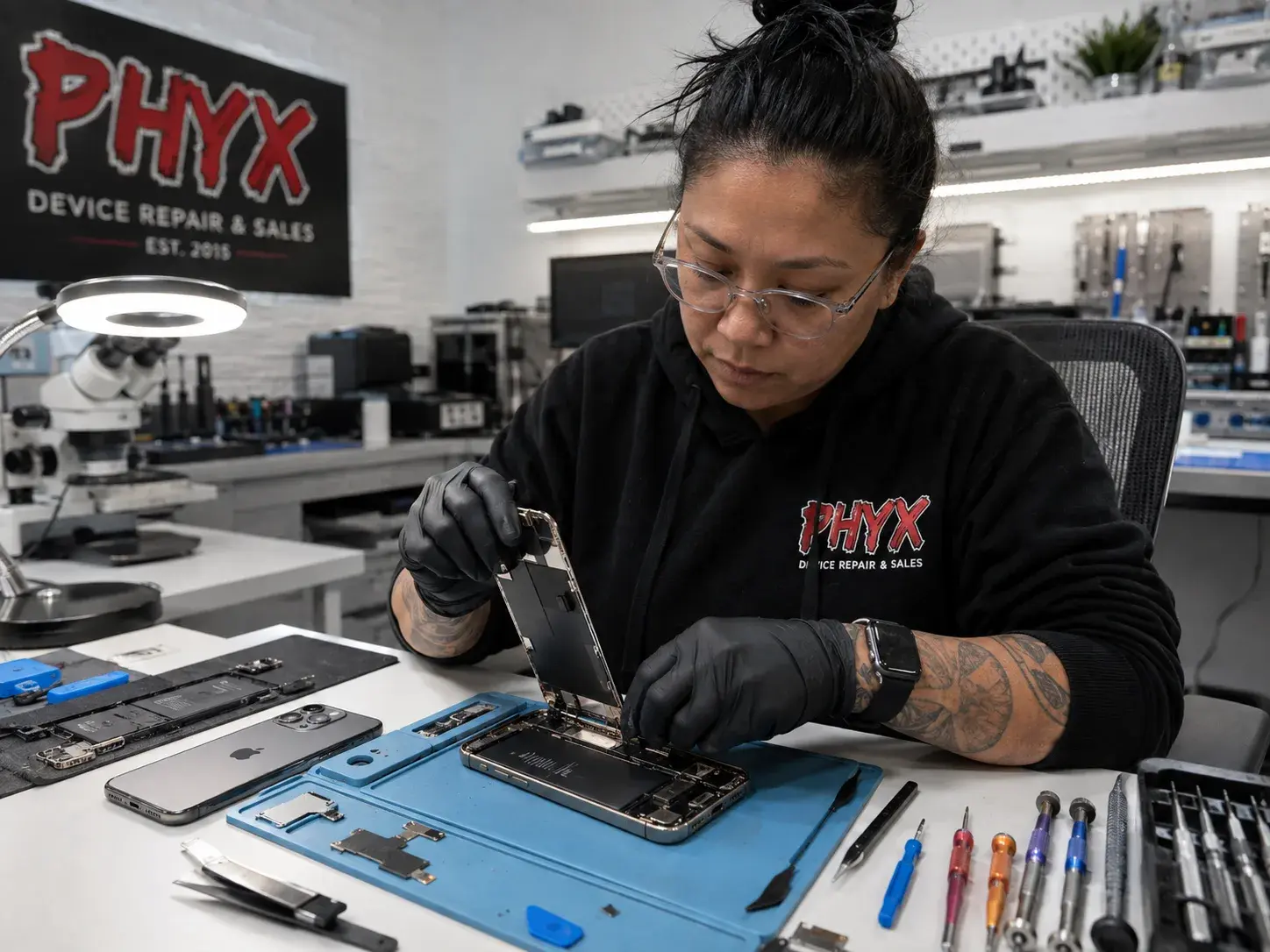
Repair your current phone instead of replacing it. A cracked screen, worn-out battery, or water damage doesn't mean you need a $600 replacement. Knowing the reasons phones cost more today helps you make smarter buying decisions. A screen replacement runs $150–$300 depending on the model. A battery replacement, $60–$120. You're back online for a fraction of flagship pricing.
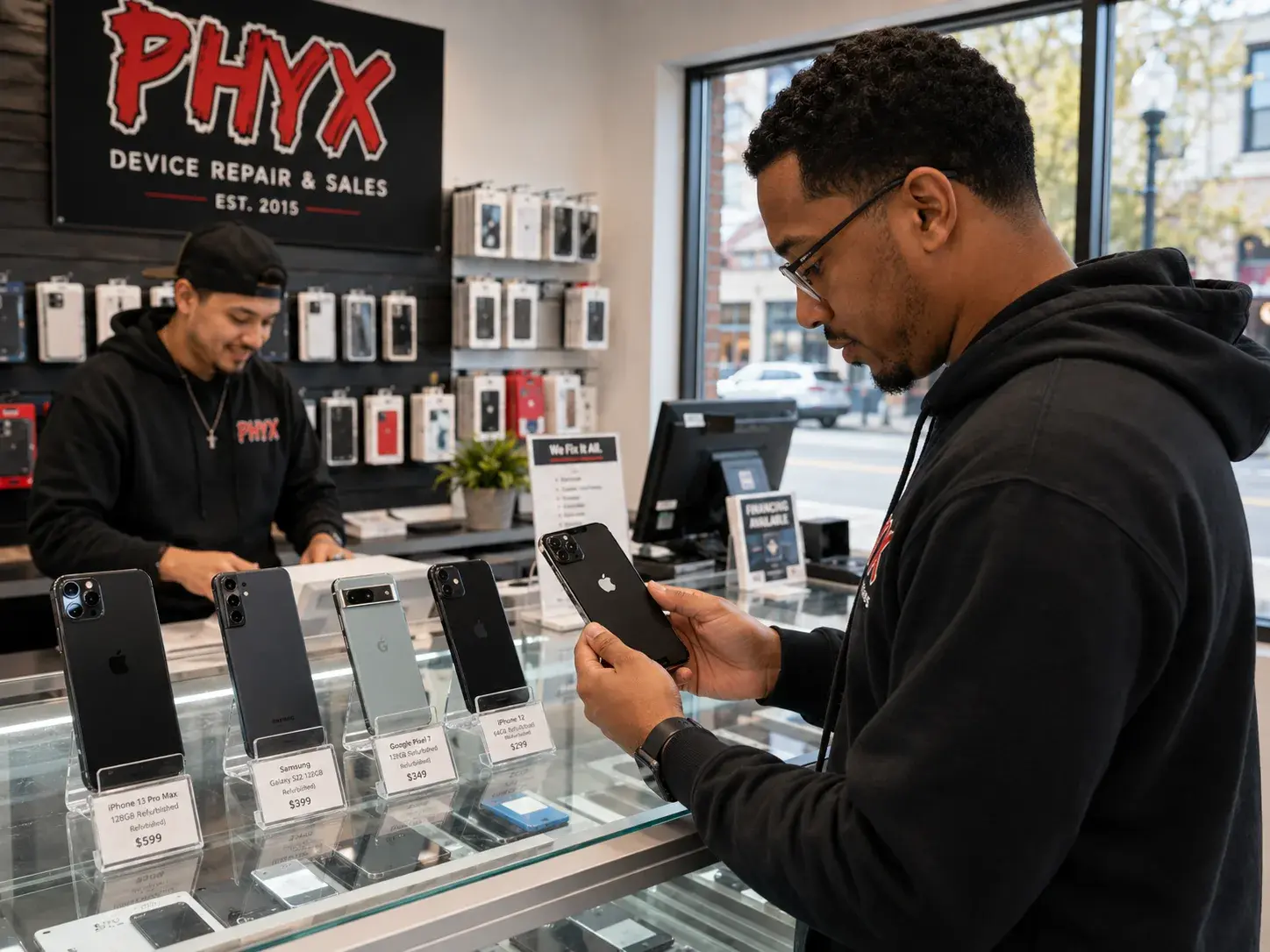
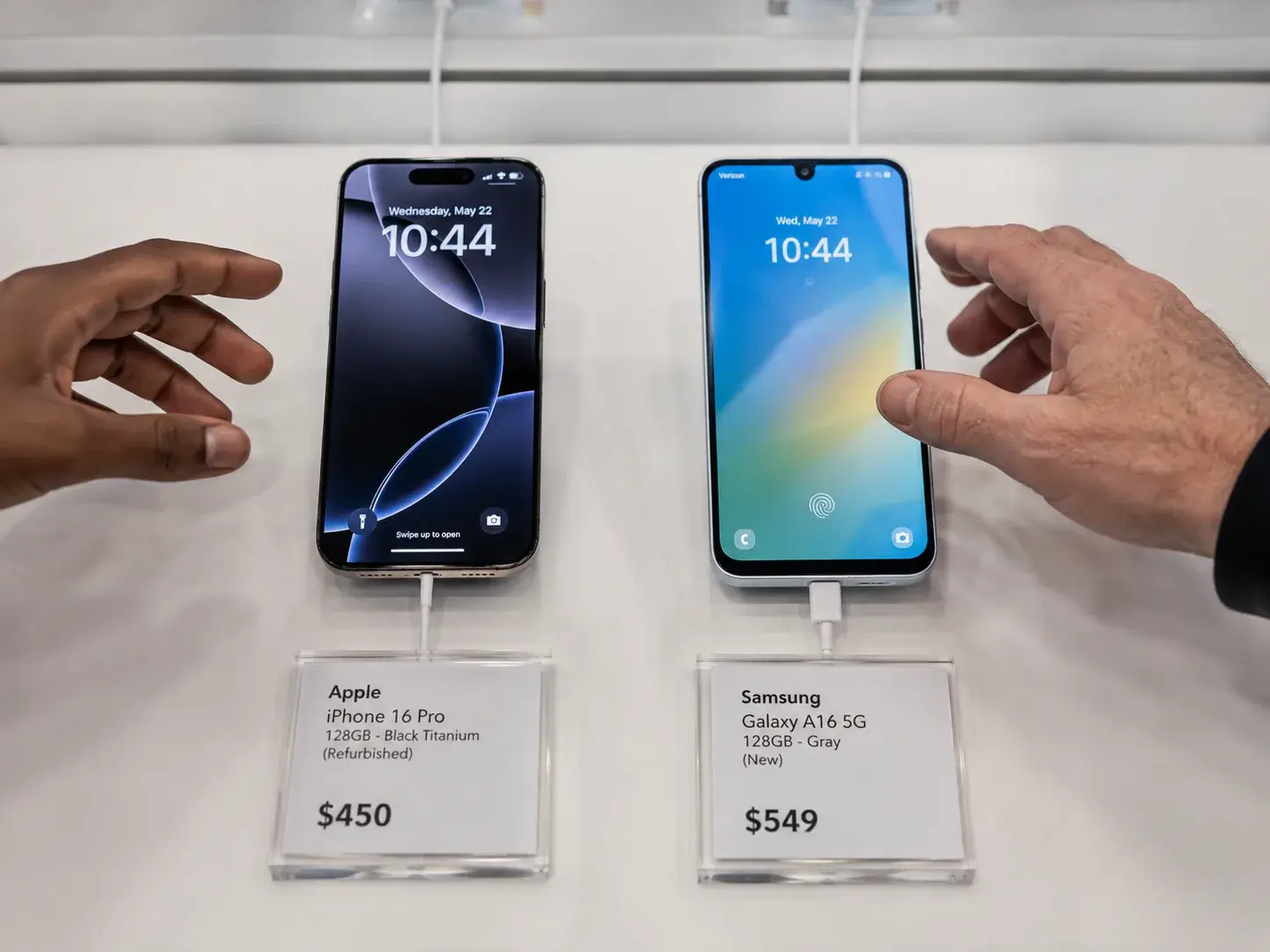
Buy refurbished or used. Last year's flagship is this year's mid-range priced smartphone. Certified refurbished inventory is tested and backed by warranty. You get a known-good device, avoid the chip-shortage markup, and keep $300–$500 in your pocket.
Trade in your old phone. We buy used and refurbished devices across Western Massachusetts. We'll credit your account toward repair costs or a purchase. Even a cracked 2024 model has resale value that reduces your next upgrade cost.
Keep what you have longer. With manufacturers cutting specs, last year's phone often outperforms this year's budget offering. Battery replacement and screen repair extend device life another 2–3 years. Multiply that savings across a family.
---
Comparison Table: Repair vs. Replace in 2026
| Scenario | Replace Phone | Repair + Keep | Savings |
|---|---|---|---|
| Cracked screen, 2024 model | $950 new phone | $200 screen repair | $750 |
| Dying battery, 2023 flagship | $1,100 new phone | $90 battery + $350 refurb trade-in credit | $660 |
| Water damage, mid-range | $650 new phone | $280 repair | $370 |
| Upgrade path (keeping 3yr) | Buy new every 2 years = $1,900+ | Repair + refurbished option = $600–$800 | $1,000–$1,300 |
---
FAQ
Q: Will phone prices come down in 2027?
A: Not likely soon. Memory makers keep favoring higher-margin AI server chips, and IDC expects the shortage to hit hardest in the second half of 2026. AI demand isn't cooling. If you need a phone now, repair or buy refurbished rather than wait.
Q: Should I buy a phone right now or wait?
A: If your current phone works, wait. If it's broken or dying, repair it first. We can fix most issues for $150–$400. A screen replacement costs less than the price difference between a 2025 phone and a 2026 phone. If you're truly upgrading, buy last year's flagship used or refurbished—you'll get better specs for the money than any 2026 budget model.
Q: Are refurbished phones safe to buy?
A: Certified refurbished phones are tested, cleaned, and come with warranty. Our refurbished inventory is verified and backed by our service guarantee. A 2024 refurbished flagship will outperform a 2026 budget phone in nearly every way, and you'll save $300–$500. It's the smartest move in 2026.
---
Closing
Phone prices jumped because artificial intelligence is hungry for the same memory chips your device needs. That's not changing soon. What you can control is your response.
Repair your current phone. Buy refurbished. Trade in your old device. Keep what works longer. These moves save $600–$1,500 per upgrade cycle and keep quality hardware in your hands.
We carry refurbished inventory, handle repairs on the same day, and buy used devices across Western Massachusetts. Stop by or call to explore your real options—not what marketing tells you to buy.
**PHYX Device Repair & Sales**
95 Mill Street
Springfield, MA 01108
Call 413-234-4313
Mon–Fri 10 AM–7 PM | Sat 12–7 PM
Certified refurbished devices in stock. Same-day repair available.