

Why the Proximity Sensor Matters on the iPhone 14 Pro Max
Most people never think about their proximity sensor until it stops working. On the iPhone 14 Pro Max, when it fails, it takes the whole phone down with it.
The proximity sensor sits near the top of the display, next to the front camera and flood illuminator. Its job is simple: detect when the phone is close to your face during a call so the screen turns off and doesn't register accidental touches from your cheek. It also plays a role in Face ID and ambient light readings. On most iPhones, this is a minor, almost invisible feature.
The 14 Pro Max is different. In the video above, you can see exactly what happens when the sensor is compromised, often from liquid exposure that shorts the small connector or component. The device isn't bricked in the traditional sense since the logic board is fine, but a shorted proximity sensor is enough to crash the whole system. Instead of just losing proximity detection, the entire phone becomes unusable. It freezes, then restarts into a solid purplish-pink screen, cycling in a loop that never fully boots.
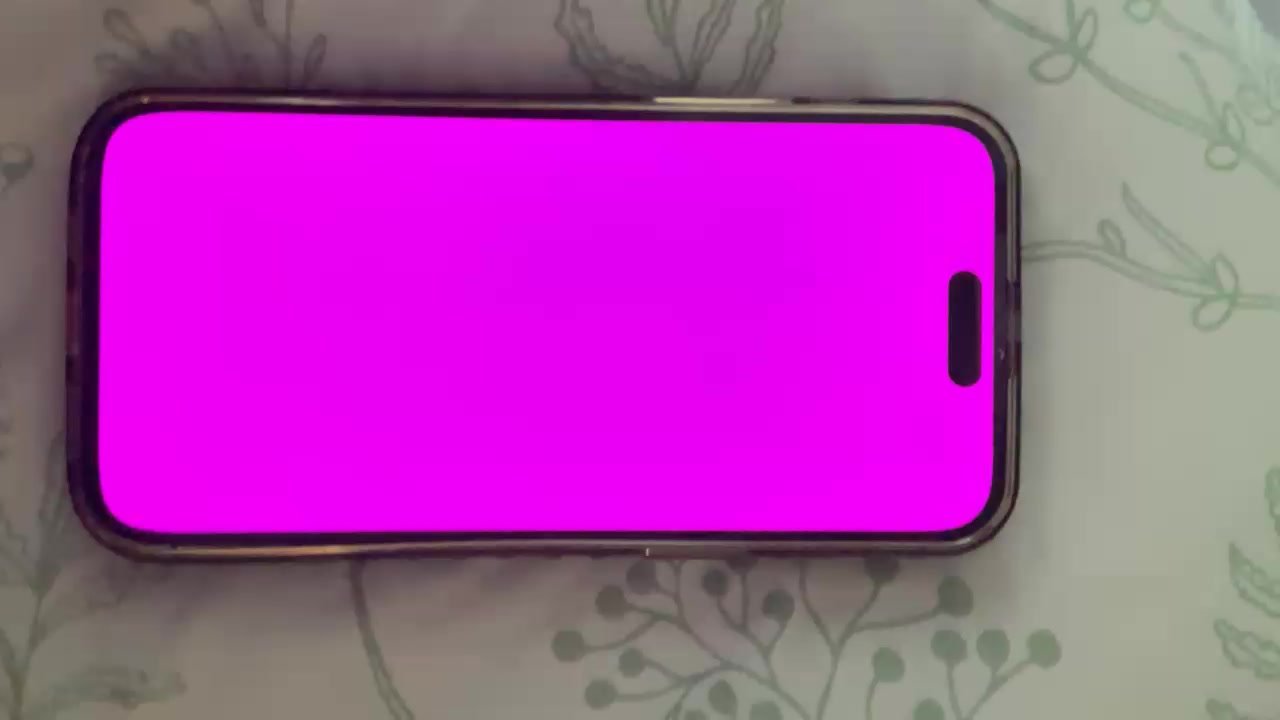
iPhone 14 Pro Max behavior with a bad proximity sensor
This is a quirk specific to how Apple wired the sensor into the 14 Pro Max's display and power management system. On older models like the iPhone XR or iPhone 11, the proximity sensor is far more isolated from the rest of the hardware. If it gets damaged on those phones, you'll simply lose the auto-screen-off feature during calls. It's annoying, but the phone keeps working normally. There's no crash, no purple screen, no boot loop.
For repair technicians, this makes diagnosis on the 14 Pro Max tricky. A purple/pink screen with a boot loop can look like a display or logic board failure, when the real culprit is a tiny sensor. The fix usually involves replacing or disconnecting the shorted sensor component rather than replacing the entire screen or motherboard, which can save the customer a significant amount of money.
The takeaway: not all sensors are created equal. On the iPhone 14 Pro Max, a component most owners don't even know exists can determine whether their phone works at all. It's a reminder of just how interconnected modern smartphone hardware has become, and why liquid damage should always be taken seriously, even when the damage isn't visible.